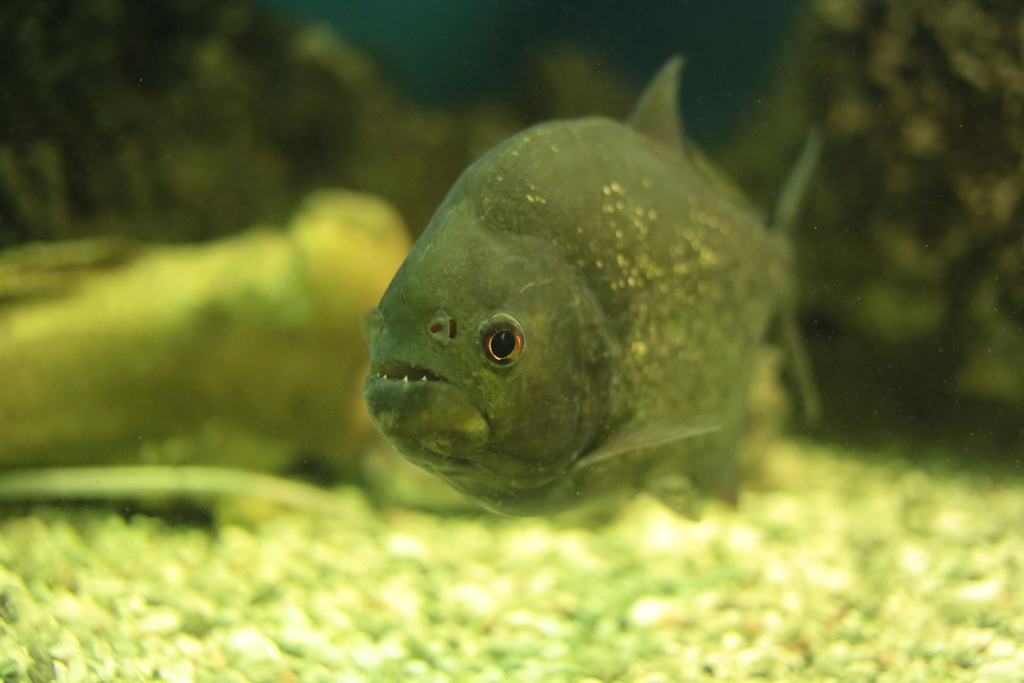
The goal to build a high performing organization is tough to accomplish when the organization is infested with piranhas. ‘Piranhas’ here refers to employees who act timidly most of the time but explode in a frenzy of self-interest when their comfortable surroundings are disturbed. When these piranha-like employees dominate the culture of an organization, making changes in pursuit of excellence becomes a daunting challenge.
When the business leaders and change agents are gearing-up to transform their organization, they must remember to deal with this initiative with utmost caution. Just like the piranhas are densely inhabited when the water levels are low in the river, the piranha-employees grow in numbers with strong union when the organization is in dire need of change. The change initiatives are as perilous as swimming with piranhas unequipped. Because the piranha-employees are not just difficult to manage, they are also very unsafe to deal with.
We are living in a world that encourages the piranha-type persons to exist easily – the type that resists the change. In organizations, the piranha-type employees are the biggest hurdle to implement change and thrive.
Characteristics Similarities Between the Piranhas and the Employees Resisting Change
Fast and Powerful, but Timid
Piranhas can devour a huge animal in a matter of minutes when they are hungry. Though they are known for their ferociousness, they are very timid by nature. They attack other creatures not just because they are hungry, but to protect themselves from the possible danger. They are fast attackers, with powerful jaws and sharp teeth.
Similarly, the change-resisting employees are a highly alert and smart breed of people, who are naturally insecure deep inside. They are very capable and can manage their work and be on top of their responsibilities, but they do not like their comfortable routines to change. They resist change not because they are incapable of adjusting to new demands, but to protect themselves from the probable future uncertainties. Their acute presence of mind and shrewdness is due to their insecure nature.
Alert to Coming Danger
Piranhas move very gently and carefully in the water, so that they can sense any abrupt movements. These fish are very reactive to splashing water due to the sudden movements of other fishes, or animals crossing the riverbanks. When the water pressure suddenly changes, the piranhas sense a life-threatening danger, and they prepare themselves to fight the danger and save their lives.
In the same way, piranha-employee follows a very self-centered and vigilant routine. When a change agent of the organization tries to promote a change, the change resisting employees immediately become averse to it. These employees can sense even a subtle change in the organization, and fear that it can lead to a bigger trouble tomorrow. They do not want those changes to happen, so they resist it from the beginning. They do this to preserve their well-established position in the organization and protect their comfortable routine.
Change-resisting employees are typically the short-term thinkers. When the organization is about to implement a change in pursuit of a long-term goal that is when these employees start resisting, because short-term thinkers cannot work on long-term initiatives. It makes them feel jittery.
Strange Eating Habits
Piranhas when hungry can feed on anything – alive or dead. They do not have a specific choice of food – sometimes they even exhibit cannibalism. They tend to eat whatever comes their way; this lack of internal choice makes them bizarre. They display a very reactive survival skill. And this may be the reason behind the evolution of their powerful jaws and strong teeth.
The change resistors also lack self-awareness, which makes them more inclined to a reactive nature. They focus only on what is immediately in front of them and completely lose the big picture of what they really need in long-term, though it may be an incredibly good thing for them. This reactive nature keeps them away from developing new skills. Instead of finding new ways and methods to fulfill their duties, they simply resist the change that challenges their status quo.
The well-developed presence of mind of the piranha-employees are just like, the powerful jaws and strong teeth that piranhas developed over the ages to compensate their lack of internal awareness.
Schooled Attackers
When a prey or a predator makes any quick movement in the water, all the piranhas in vicinity immediately groups to attack it. They do this to collectively hunt their food for survival or to protect themselves from any visible danger. Piranhas even make a grunting or barking sound to call other piranhas to attack the prey together. Their attacking power is more vicious when they group together.
In an organization, it requires an enormous influence and a big team of initiative-taking people to implement change, because a big team clings together to resist the change as well. Change resisting employees can easily form a group to thwart the change initiatives. These employees are normally affiliated by their strong sentiments and biases. When an organization is planning a transformation at the group or unit level, a group of change resistors (from both the line-managers and the senior managers) join hands as a powerful union to resist the change. They start playing all sorts of political games to resist the change. They may even scheme to turn against the personnel introducing the change to kill the initiative at the root.
Unsafe Environment
Piranha-infested water is unsafe for any other fishes in the environment. After a while, the population of piranhas will outnumber the other species found in the same water.
Similarly, organizations filled with change resistors exhibit a culture that is unsafe for genuinely talented and forward-thinking employees. These change resistors promote a biased culture, which will oppose the growth of other progressive-minded employees. It becomes a major hurdle for the organization to effect positive change, especially when it is desperately needed.
Ways to Avoid Piranha Encounters
We all understand that every creature is needed to sustain the ecosystem and to keep the eco chain intact. We cannot build huge glass tanks and isolate all the distinct species of piranhas to prevent encounters. The best approach is in finding a way to swim along with piranhas without getting bitten – a kind of preemptive solution.
Imagine how other preys naturally escape the piranha encounters. They may escape by becoming very defensive and not giving an opportunity for the piranhas to attack. They will not penetrate the territories of piranhas – and if they do, they will not make any sudden movement to irk the piranhas. They refrain from doing anything that will make the piranhas frightened. They may avoid getting into direct contact with piranhas when they sense the piranhas are hungry.
Therefore, the best ways to avoid piranha encounters is by getting to know them well. Start with identifying the distinct types of piranhas, their behavior, their insecurities, their instincts, the trigger factors that provoke an attack, what they like-dislike, and how they attack. Once we know all the basic characteristics of piranhas, we can prepare an instruction handbook to swim safely around piranhas by diligently following those instructions.
Employees resisting change do so to protect themselves from future uncertainties. It becomes a matter of survival for them, so they tend to get into a resistance mode. Change implementers cannot ignore the change resistors, nor can they sit back and expect them to change any time soon.
As John Kotter says, “You can drive these people underground or into the tall grass. But instead of changing or leaving, they will often sit there waiting for an opportunity to make a comeback.”
This is true because we cannot change the core nature of change-resistors by force or manipulation. They need to evolve by their own choice. They must overcome their insecurities with their own good experiences. This change among resistors may not happen by the flick of a button – in fact, it may not even occur during their lifetime.
Organizational leaders and change agents must thoroughly understand the core nature of change-resistors, as well as the nature of motivated people. Then they should create a ‘defensive driving’ rulebook (policies and procedures), so that the organization does not come under the hold of the change resisting employees and their insecure culture. This rulebook must provide all the opportunities and resources for the progressive employees to thrive better in the organization. When there is a less scope of growth with insecurities, the change-resistors will eventually leave those insecurities to adopt a new open culture.